
Abundant Hydrocarbons
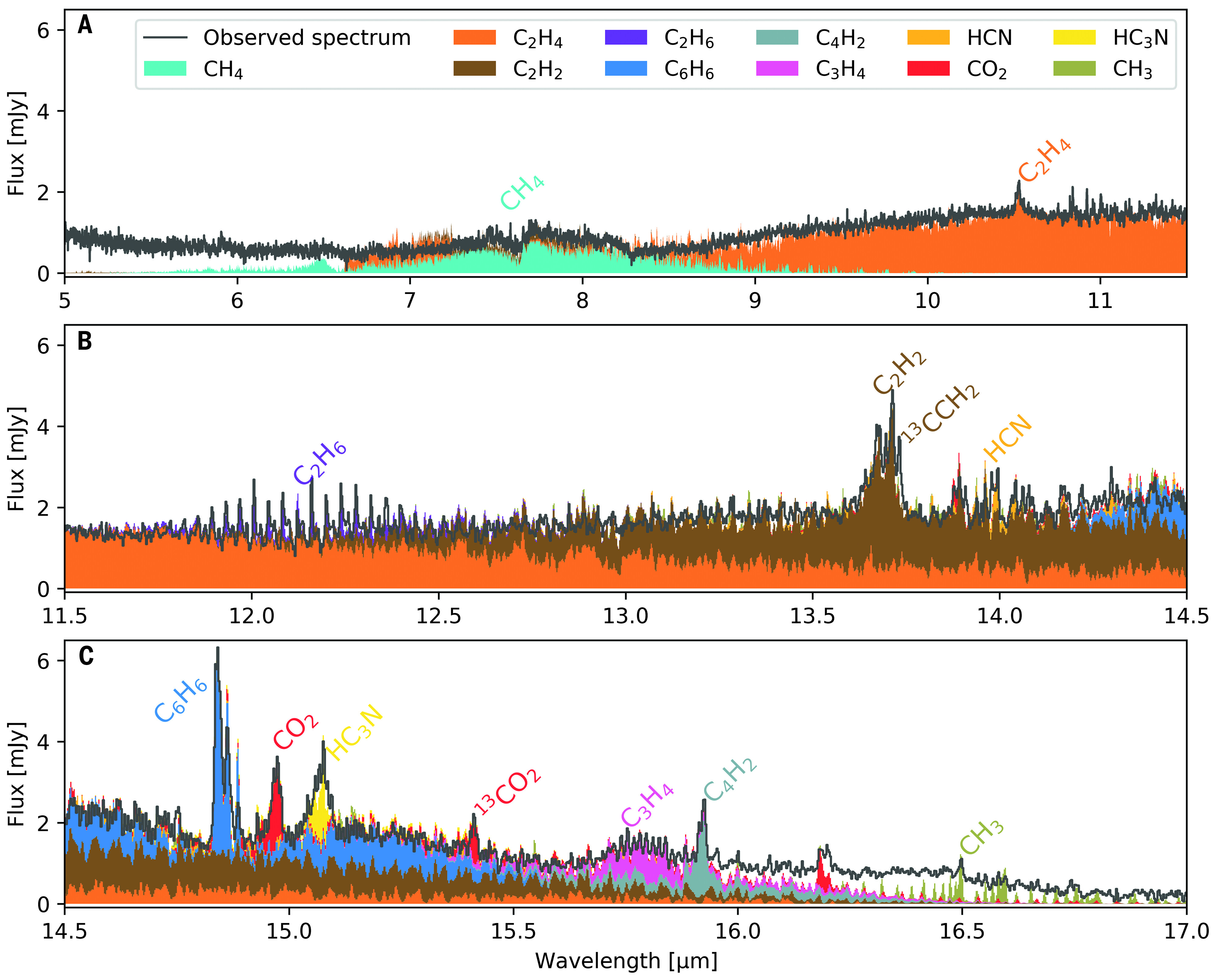
Using the zero-dimensional LTE SLAB-models that are part of ProDi...
Read more
CAI formation in the early Solar Nebula
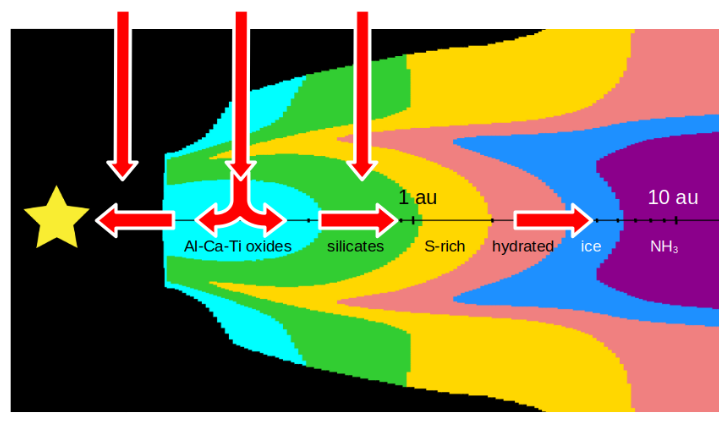
  This paper proposes a pathway to form mm-sized, pure, and...
Read more
Fitting the EX Lupi JWST line & continuum spectrum with ProDiMo
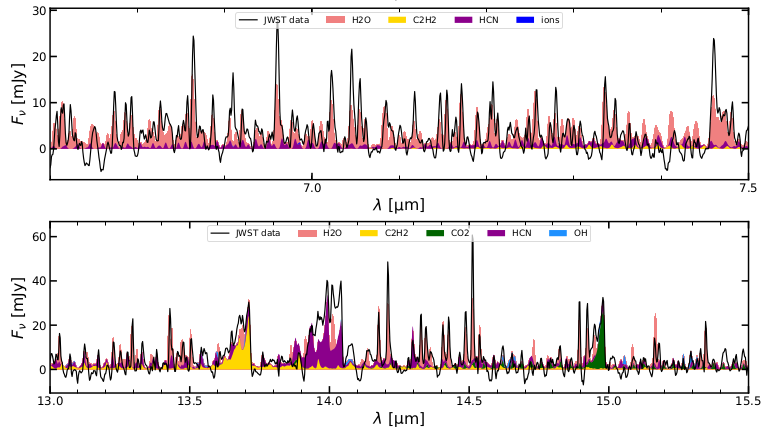
Based on an improved ProDiMo version, we developed a disc model f...
Read more
ALMA gaps
ALMA gaps
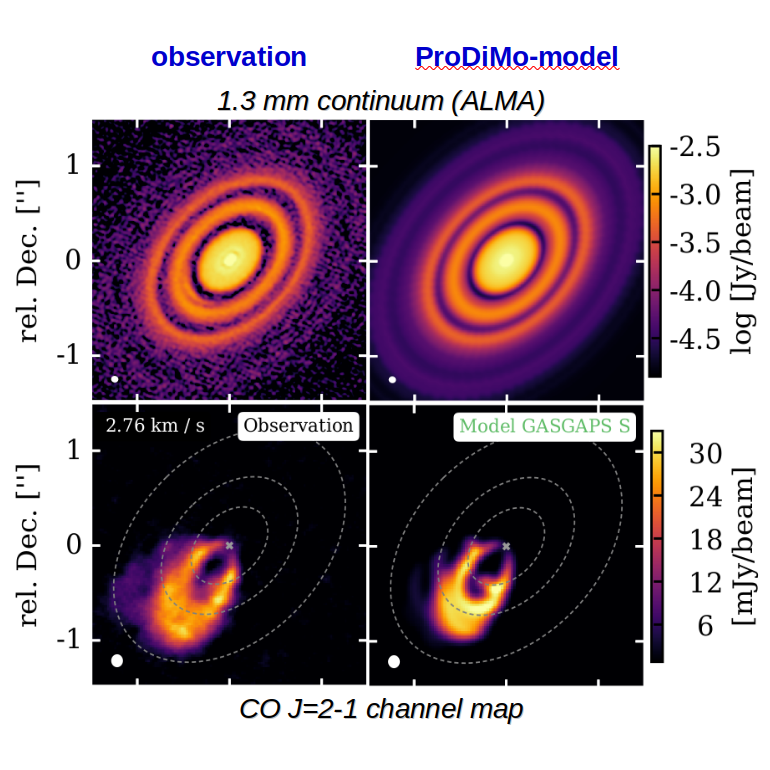
ProDiMo can predict continuum images and molecular line channel m...
Read more
ice absorption
ice absorption
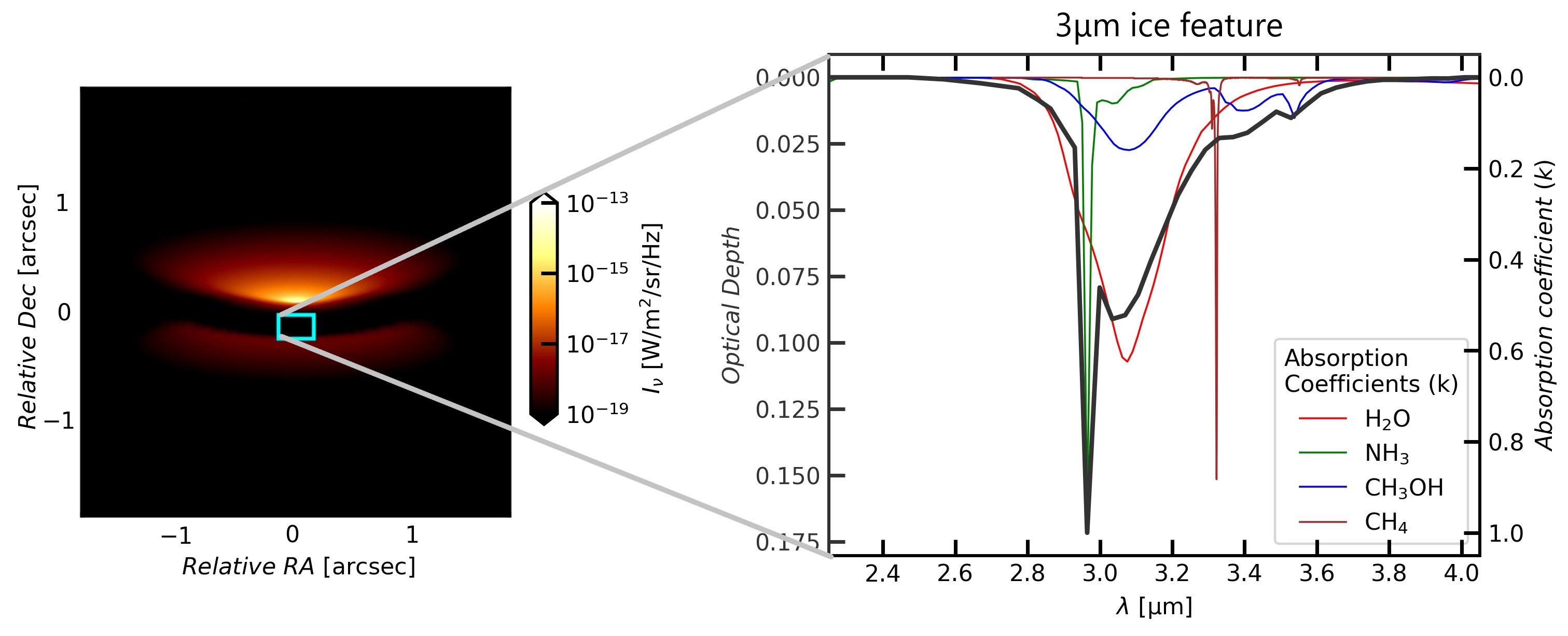
One of the latest developments of ProDiMo is to include ice opaci...
Read more
Disk winds
Disk winds
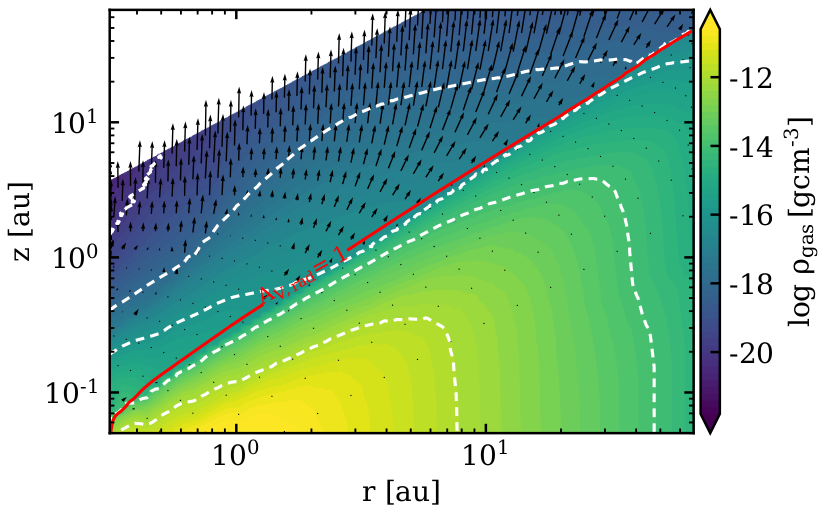
We use hydrodynamic photoevaporative disk-wind models and post-pr...
Read more
Chemical processes
Chemical processes
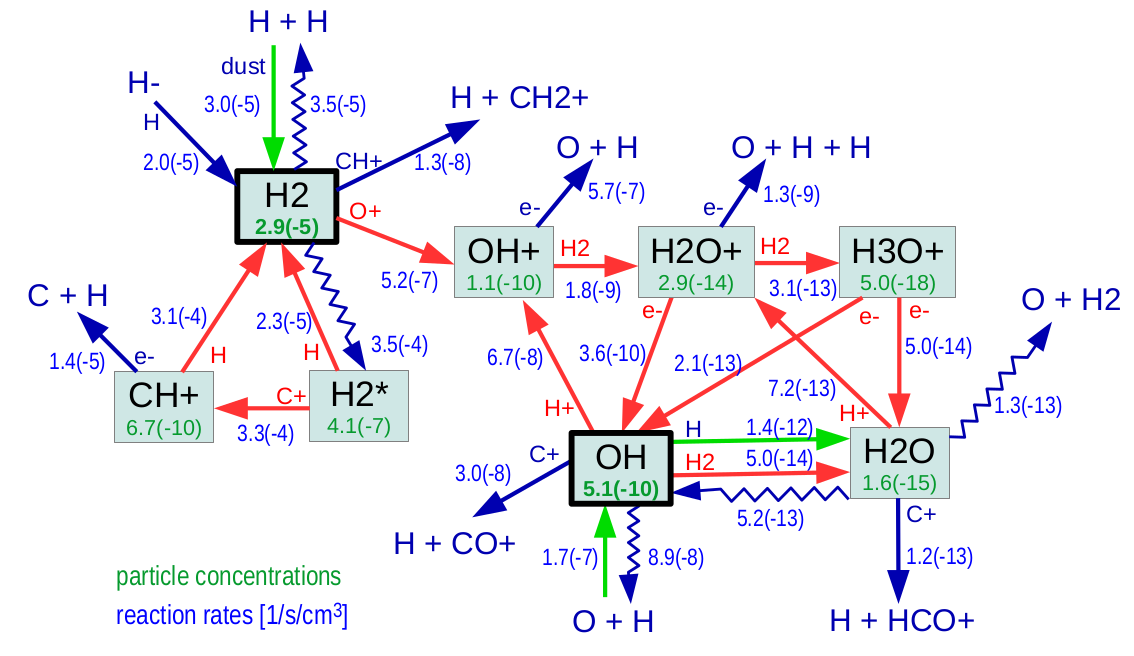
ProDiMo's goal is to model the chemistry and heating/cooling bala...
Read more
Heating and Cooling
Heating and Cooling
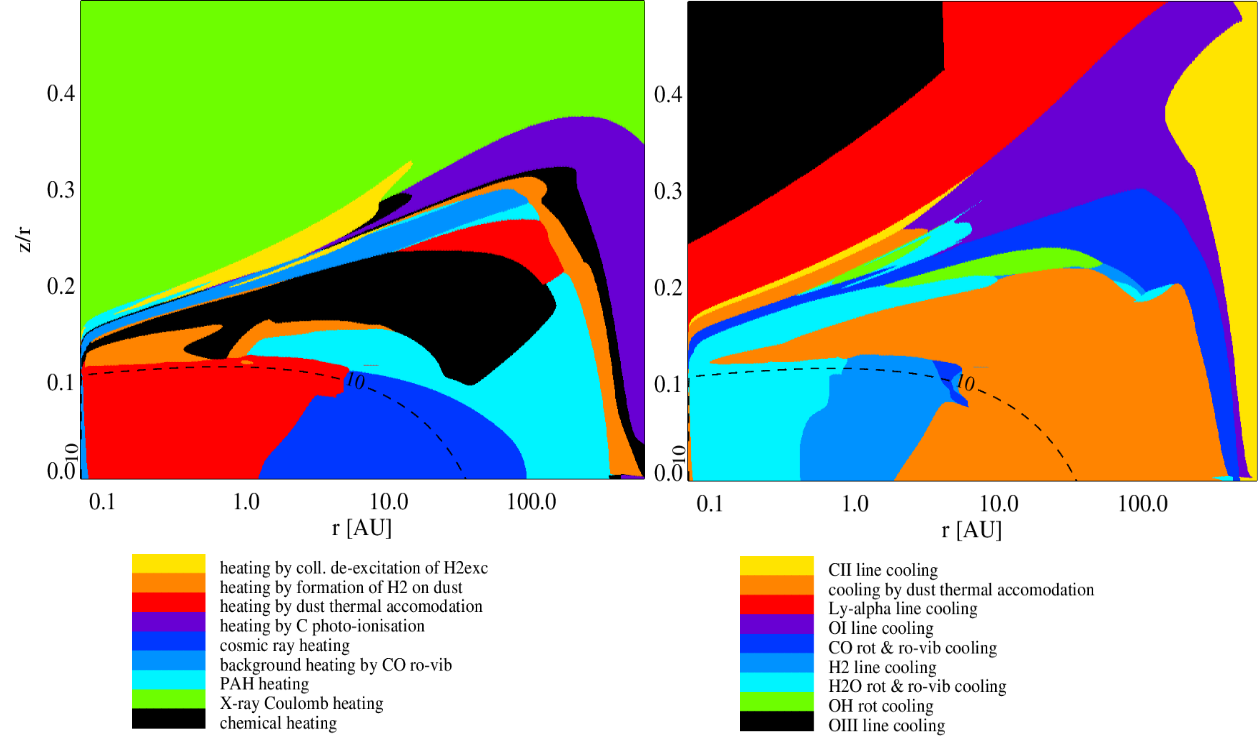
At each point in the disk, ProDiMo solves the gas heating and coo...
Read more
surface chemistry
surface chemistry
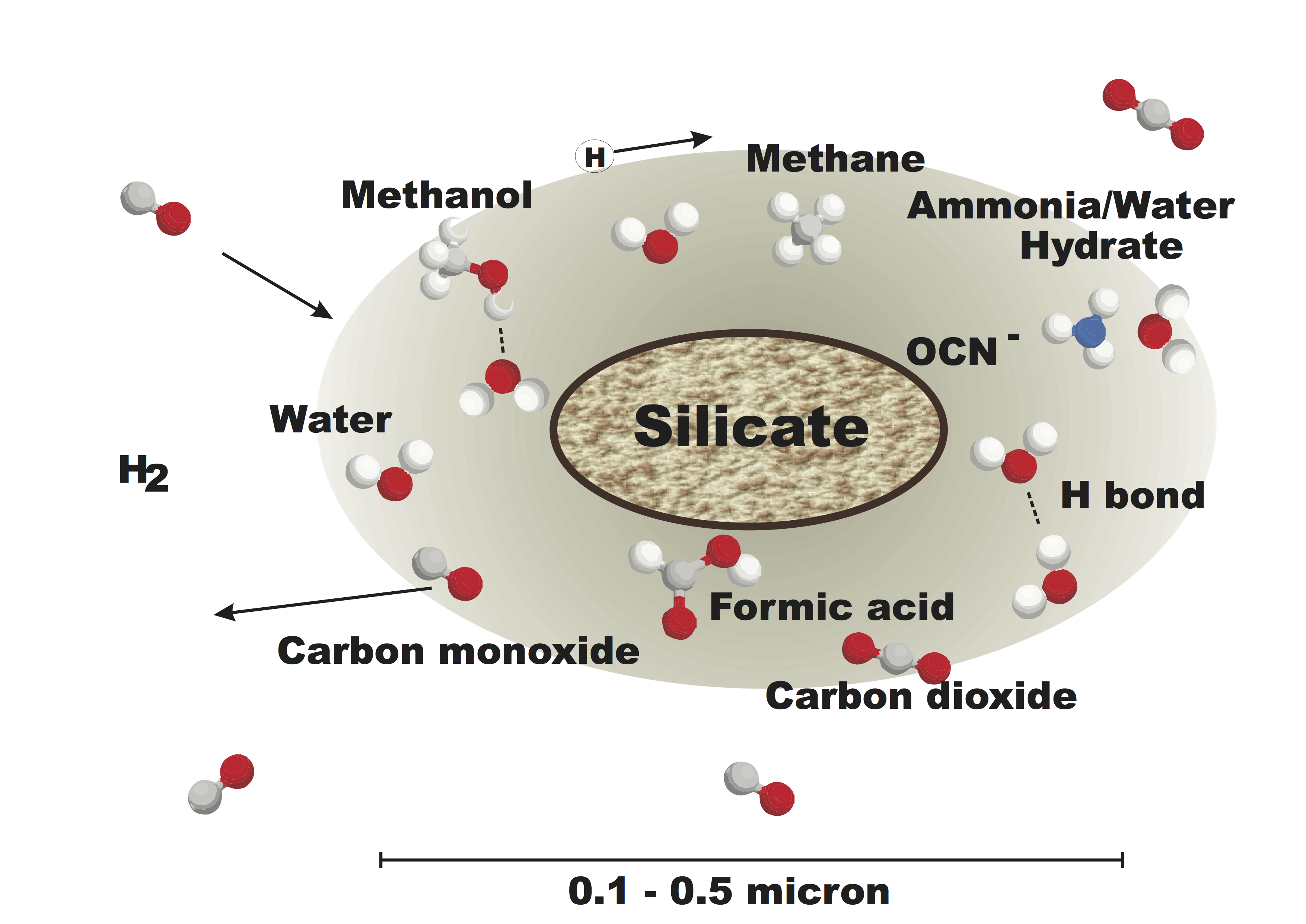
ProDiMo is now able to take into account surface chemical process...
Read more
phyllosilicates
phyllosilicates
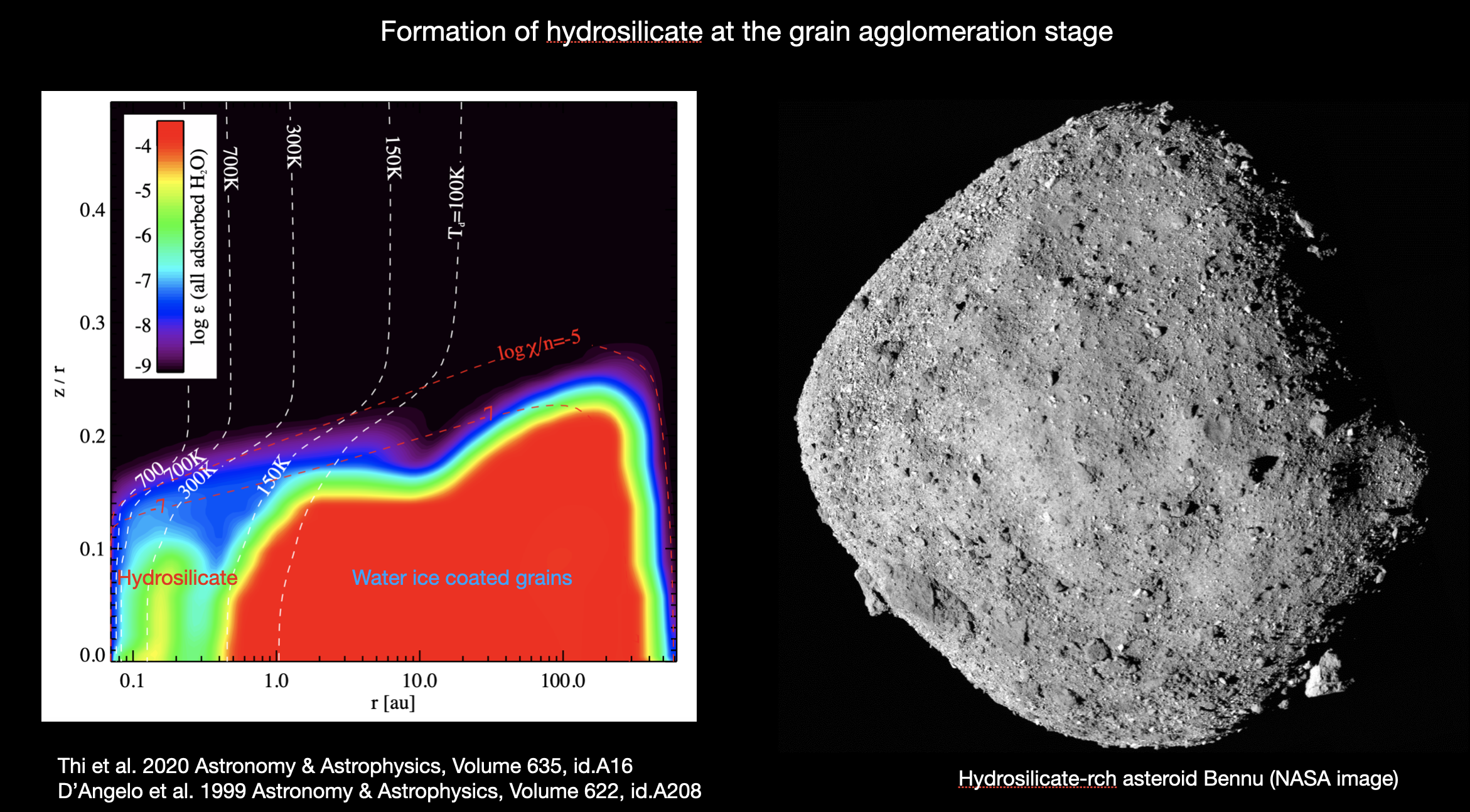
The hydration of rocks can optionally be included as a time-depen...
Read more
Chemical rate networks
With ProDiMo you can use various standard chemical rate networks ...
Read more
IR molecular line emission spectra
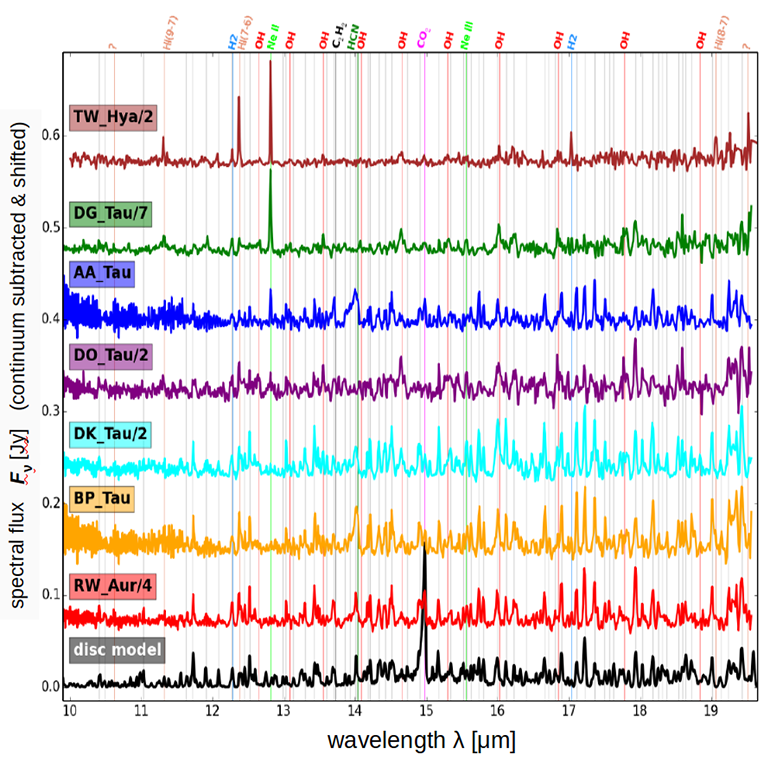
ProDiMo allows you to generate mid-IR molecular emission line spe...
Read more
CO ro-vibrational emission lines
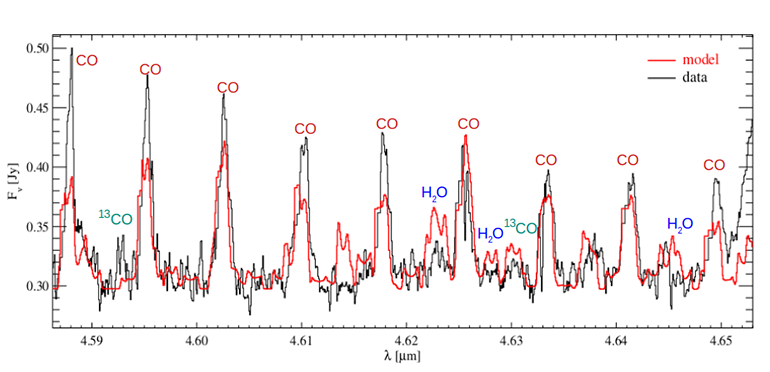
ProDiMo can predict high-resolution infrared line spectra emitted...
Read more
FU Ori outbursts
FU Ori outbursts
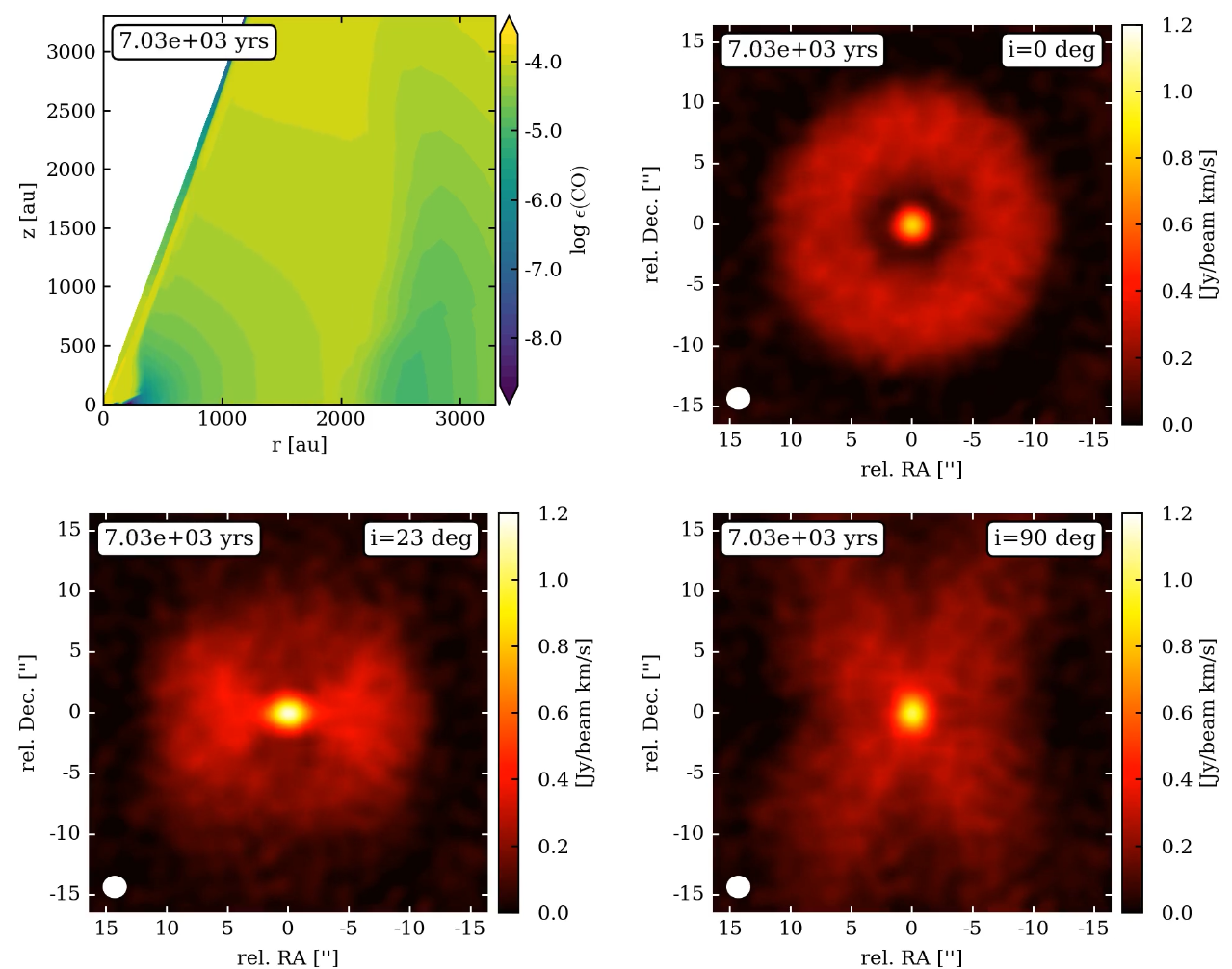
In FU Ori type outbursts, driven by episodic accretion, the stellar lu...
Read more

ProDiMo's goal is to model the chemistry and heating/cooling balance in the entire disk.  From the inner rim, where the dust is at sublimation temperature ~1500K out to several 100 au in radius, where the dust can be as cold as (5-10)K.  Gas temperatures are similar to the dust temperatures in the midplane, but can be as high as 30000K in the uppermost teneous layers close to the star which are directly hit by stellar UV and X-rays.  The densities can vary from interstellar values up to about 1016 particles/cm3.

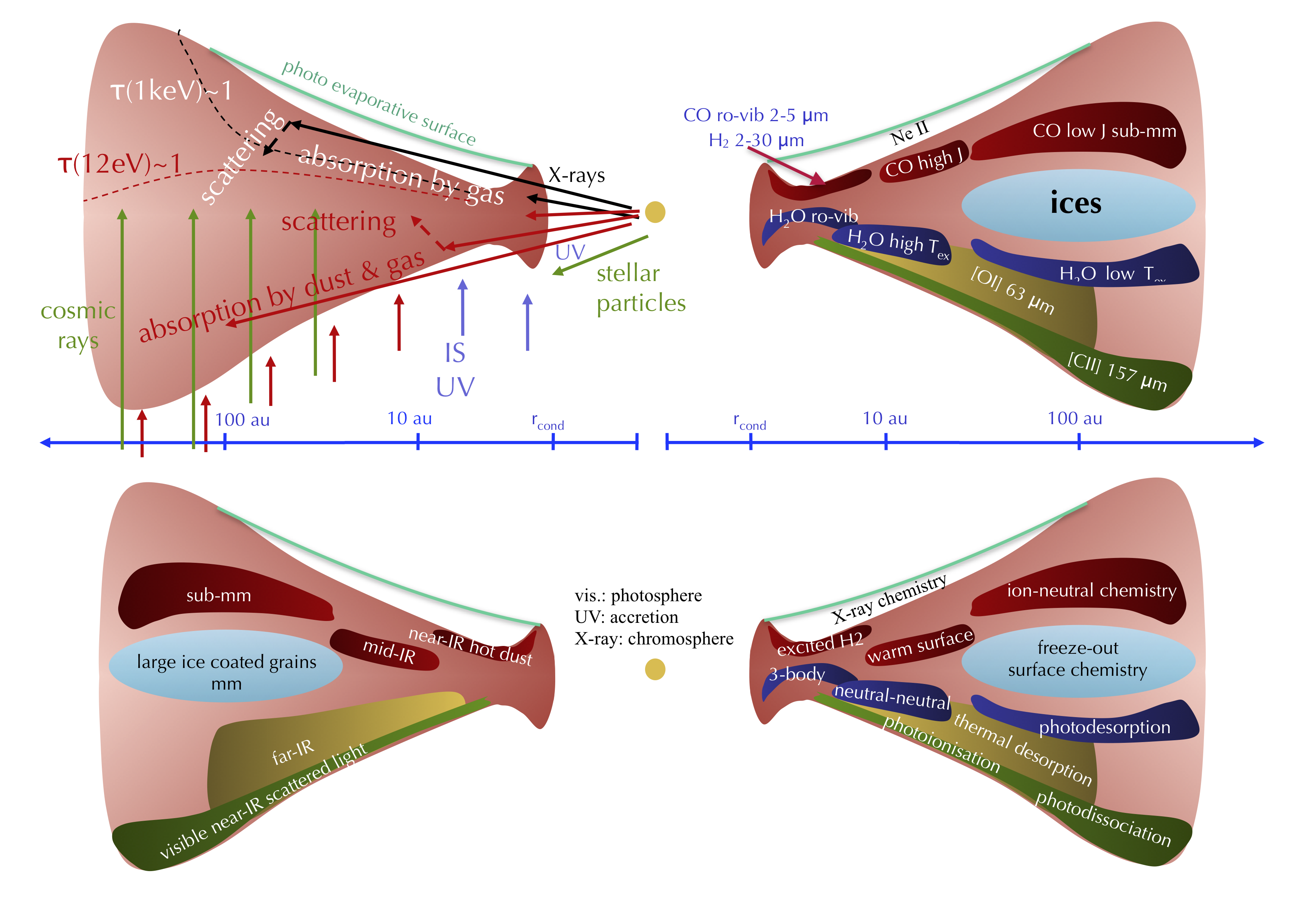
ProDiMo uses detailed 2D continuum radiative transfer with scattering to calculate the local UV photon fluxes. Optionally, X-ray radiative transfer with Compton scattering can be used.  Energetic Stellar Particles (SEPs) can be considered as well.  Interstellar irradiation with UV-photons and cosmic rays is included by default, assuming isotropic irradiation of the whole disk. 

The upper left figure shows how the irradiation from the star and the interstellar medium (IS) penetrates into the disk. The upper right figure shows which line observations probe which parts of the disk.  The lower left figure shows which continuum observations probe which parts of the disk. The lower right figure shows which kind of chemical processes are most relevant in the various disk regions.